Learning to live on less, not just by choice, is definitely a mind game. Even if you are good at keeping negativity down, these are times that really seem to test your resolve. And it's only been 2 days.
The first thing I'm learning is keep yourself busy. This weekend, I started cleaning random junk drawers in the kitchen, made fresh butter from some cream in the fridge, and ran the dog down playing fetch. Since there is a chance of snow tonight, the garden is covered and the hatches are battened down. It hasn't really hit me yet that tomorrow I won't be in my normal routine of waking up early, getting the kids ready for school, and then going to work. But I've scheduled a few things to get done in the morning, so that helps.
If you're in a similar boat, get yourself a schedule. Find SOMETHING to do, even if it isn't all that important. If you find something constructive, then you'll at least have an outlet for your creative side and be producing something towards your goals, even if it's not financially. Anything you start setting up today is one less thing to worry about in the future, and one advantage you'll have surviving economic hardship.
Make sure you also have an emotional outlet. My kids and wife have been great dealing with me this weekend, which proves their patience and long-suffering is truly a gift from God. I know that there is a job out there for me, either with a company or one I create myself, but in the meantime, there needs to be a way to deal with the stress and anxiety without venting to others. This blog helps, as does getting out with the dog. I've ridden my bicycle more in the last week than I have in the last year, and I'm trying to find solace in the small moments of peace and quiet.
Finally, volunteer. For a lot of people, the loss of a job, even if it's nothing personal, is still a big hit to your sense of self-worth and value to society. Pick a cause, or a classroom, or a church, or something, and just give them some of your newly found free time. By giving of ourselves, we remind ourselves that our value is in our character and our drive, not in our pay scale or a title. Learn to love yourself, just a little bit, for the person you have become over the years, and share the best of yourself with those who may not have even those smallest of blessings. At church this morning, I got sat down in front of the mixer console and the media computers. They were very shorthanded today, and needed someone in the hot seat. Thankfully, they didn't have to train me, I set up many of those systems and revamped a few over the last couple of years, but it gave me a purpose, even for an hour, and that was incredibly therapeutic. Get out and help some organization or person in some small way. God blesses us when we least expect it if we are doing His will, so maybe by helping others, you're also helping yourself.
Sunday, April 27, 2014

Friday, April 25, 2014
Well folks, this is what it is all about.
We spend all of our time working towards an event that may never happen, or a disaster that may just as easily pass us by. However, one of the things we should be preparing for is the inevitable. After 9 years of employment with the same company, I've finally joined the ranks of the downsized. For a lot of people, this would be catastrophic. Thankfully, my wife and I have made an active effort to reduce our debt (all that's left is the mortgage) and try our best to live on less. It will not be easy, but until I'm back to work, we're living on 40% of our previous income. We're grateful that it happened in the spring, and our garden is in. We're also thankful for the time that we spent learning new skills and becoming less reliant on the normal ebb and flow of money. This is our test, and we're not sure how long it will last, but we're finally forced to live the way we always tried to. I'm going to track our journey, and post what lessons we learn together to try and help others who find themselves in this situation.
Friday, February 24, 2012
Back After A Long Break
Although nobody is actually following this blog, I've decided to pick it back up again as a way of keeping myself organized and on track. In the time since I last wrote anything down, the world has seen tremendous change. Oil is back to it's 2008 price of $110/barrel, gas is expected to hit $5/gal by Memorial Day, and the threat of rapid inflation is looming on the near horizon. Combined with the Euro Crisis and expected Greek default on May 20th, this could create a very difficult environment for a lot of people.
I haven't been sitting idle, though. Last fall, we purchased a tiny Geo Metro XFi. If you are unfamiliar with this model, it's a 1.0L 3 cyclinder hatchback that is geared for gas mileage with a higher top gear and lightened cam. This car, on a bad day, gets double the gas mileage of our Subaru or Chrysler. On a good day, it can nearly triple their fuel economy. Combined with our 250cc Honda Rebel motorcycle, we are ready for $5-7/gallon gasoline. Our plan during the summer is to remove our Subaru off the insurance to garage it for much needed maintenance, which will save us $60/month in insurance premiums. Adding the motorcycle is only $20/month, so we still save $40/month just in insurance. Then we cut our fuel budget roughly in half. Most days we will drive the Metro into work, but on the nights where the kids or the wife have activities, I'll take the Rebel into work (75mpg) while she takes the Metro to church and town. That should save us about $300/month in just excess fuel costs that we can set aside for maintenance and preps.
Today we are putting in a fence on the front of our yard. Well, to be more exact, we are having it put in, as fence building has never been my strong suite. Too many times in my childhood I found myself pulling steel fence posts back up and having to realign them with the intended fenceline. This will allow us to expand our garden and put in a small chicken coop, which is something we have wanted to do for years.
We've also picked up a pistol for my wife this year. She gets beat up too badly by the shotgun, so a pistol was our plan for her in regards to protecting herself and the children when I'm at work. Our talking to my sister and brother-in-law also helped to encourage them to do the same, so my wife and my sister can learn the finer arts of handling handguns. We chose the Springfield XDM-9, as the 9mm shell is cheap to practice with and not as intimidating as a .40 or .45ACP. Plus, it's standardized caliber-wise with many of our friends and family members, so if we find a good deal on ammunition or reloading supplies, everyone benefits. We also found a nearly local company, Freedom Munitions (http://www.freedommunitions.com) that sells their Blaster practice ammo for a song, 1000 rounds for $166 shipped.
Our primary focus isn't on guns, gold, and beans, though. We have already started our spring cold season crops and even a few indoor garden plants. Our goal this year is to expand the garden, and we have been spending the winter composting and building up our garden beds with fresh rabbit droppings, shredded newspapers, and pine chips to create a nice compost/mulch. Our rotary composter has been doing very well, and we will actually be sharing compost with our neighbors due to it's efficiency.
We've also made a few new acquaintences. There is a rather large prepping community in our part of the country, and we have been talking to our neighbors in that community to share advice and plans for local disasters. We share seeds to lessen the risk of cross pollination, which also allows us to learn about new heirloom varieties and even entire crops that we've never considered before.
I can't promise that this will be updated as often as it needs to be, but I will do my best to update as needed to keep myself on track and to document my plans, my goals, and my accomplishments as we continue moving away from the consumerism lifestyle.
I haven't been sitting idle, though. Last fall, we purchased a tiny Geo Metro XFi. If you are unfamiliar with this model, it's a 1.0L 3 cyclinder hatchback that is geared for gas mileage with a higher top gear and lightened cam. This car, on a bad day, gets double the gas mileage of our Subaru or Chrysler. On a good day, it can nearly triple their fuel economy. Combined with our 250cc Honda Rebel motorcycle, we are ready for $5-7/gallon gasoline. Our plan during the summer is to remove our Subaru off the insurance to garage it for much needed maintenance, which will save us $60/month in insurance premiums. Adding the motorcycle is only $20/month, so we still save $40/month just in insurance. Then we cut our fuel budget roughly in half. Most days we will drive the Metro into work, but on the nights where the kids or the wife have activities, I'll take the Rebel into work (75mpg) while she takes the Metro to church and town. That should save us about $300/month in just excess fuel costs that we can set aside for maintenance and preps.
Today we are putting in a fence on the front of our yard. Well, to be more exact, we are having it put in, as fence building has never been my strong suite. Too many times in my childhood I found myself pulling steel fence posts back up and having to realign them with the intended fenceline. This will allow us to expand our garden and put in a small chicken coop, which is something we have wanted to do for years.
We've also picked up a pistol for my wife this year. She gets beat up too badly by the shotgun, so a pistol was our plan for her in regards to protecting herself and the children when I'm at work. Our talking to my sister and brother-in-law also helped to encourage them to do the same, so my wife and my sister can learn the finer arts of handling handguns. We chose the Springfield XDM-9, as the 9mm shell is cheap to practice with and not as intimidating as a .40 or .45ACP. Plus, it's standardized caliber-wise with many of our friends and family members, so if we find a good deal on ammunition or reloading supplies, everyone benefits. We also found a nearly local company, Freedom Munitions (http://www.freedommunitions.com) that sells their Blaster practice ammo for a song, 1000 rounds for $166 shipped.
Our primary focus isn't on guns, gold, and beans, though. We have already started our spring cold season crops and even a few indoor garden plants. Our goal this year is to expand the garden, and we have been spending the winter composting and building up our garden beds with fresh rabbit droppings, shredded newspapers, and pine chips to create a nice compost/mulch. Our rotary composter has been doing very well, and we will actually be sharing compost with our neighbors due to it's efficiency.
We've also made a few new acquaintences. There is a rather large prepping community in our part of the country, and we have been talking to our neighbors in that community to share advice and plans for local disasters. We share seeds to lessen the risk of cross pollination, which also allows us to learn about new heirloom varieties and even entire crops that we've never considered before.
I can't promise that this will be updated as often as it needs to be, but I will do my best to update as needed to keep myself on track and to document my plans, my goals, and my accomplishments as we continue moving away from the consumerism lifestyle.
Thursday, July 14, 2011
The Home Canning Season
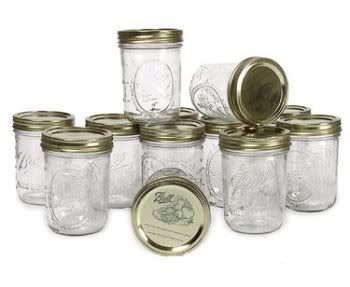
Sorry for the haitus. Summer, while being one of the best times of year for prepping projects, is also one of the busiest times of year for my day job. My goal is to post once a week during the rest of the summer and hopefully share all sorts of fun projects with everyone. Today my wife is starting the first batch of canning for the year, cherry almond jam canned with honey. It's a new experiment in that we have never canned with honey before, so it should be an experience. The kids love the cherry pitter, so they have been conscripted to help. So far it's been a fairly productive season for fruit, even our new plants are starting to show fruit. We planted 3 new blueberry bushes from North End Organic Nursery, and a Nanking Cherry, Black Lace Elderberry, Red Currant, and Mulberry from The Nature Company. There is a lot to be said about buying plants grown in the same soil you will be moving them to. In the past we've always purchased from Zamzows or the big box stores, and always had to deal with shocked and stressed plants. So far, no shock, and our blueberries and currant bush are already producing new fruit despite only being in the ground a few weeks. If you are in Southwest Idaho, I strongly recommend either company for quality fruit and veggie plants. The Nature Company will also take plants removed when you change your landscaping, rehabilitate them, and find new homes for them, so if you are doing any major lawn rennovation this year, give them a call!
Monday, March 21, 2011
The First Sprouts of the Season!
As previously mentioned, we started our garden indoors this year, and now, just one week into the process, we are already seeing some vegetables of our labors. Our broccoli and cauliflower are sprouting very nicely. If our goal was just to get sprouts to eat, we would already be harvesting the young, succulant greens. But, we have bolder ambitions for those little verdant stalks, introducing a new strain of broccoli to our town.
Coping With Disaster... and Children

Parenthood can be stressful enough, but dealing with disaster and small children sounds like a recipe for an aneurysm. However, it doesn't have to be a painful experience, at least, more than the crysis itself will demand. One small step in helping your kids cope is to make them familiar with things that will be around even after a disaster. Today, we purchased two Lego dynamo flashlights for our youngest boys. The friendly faces and bright colors will help keep their spirits up, no matter how dark the night. They are fairly large, but they put out a significant amount of light from each foot. With LED bulbs and a dynamo charger, there's no worry about the kids burning them out or running batteries dead any time soon. Granted, their time to play with them is limited and supervised, but helping our kids become familiar with the equipment that may some day be relied on so heavily will give them some basic mechanisms to cope with a world that is otherwise so chaotic.
Tuesday, March 15, 2011
The Gardening Season is Officially Here
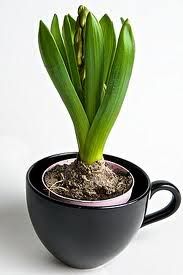
Today marks the beginning of the 2011 Gardening season. It was a great day to start tomatoes, celery, and several other crops indoors. Our planting is usually done in little Dixie cups, and we had to finish last year's store of them before moving on to our biodegradable planters. Over the last several months, we have saved all of our empty toilet paper tubes. When cut in half, then notched and folded, they make great planting cups that can be used, then transplanted with the young plants when we pass the last frost.
I also started my long procrastinated indoor herb garden. Basil, cilantro, thyme, and oregano are now sitting in their new homes, basking in the little bit of south facing sunlight we receive until the days grow longer. My wife spent most of her early afternoon planting the vegetable seeds, her hard work is definitely adding an urgency to the garden expansion and new beds that need to be put in before mid-April.
Sunday, March 13, 2011
Looking towards the short term as well
If the events in Japan these last few days have proven anything, it's be prepared in the short term as well as the long term.
This weekend has been a real eye opener to my wife and I as we have noticed our 72 hour kits have become woefully disorganized and underequipped. Looking at the most likely potential disasters for our area, we've realized we need to really focus on those disasters and hope anything that really happens either falls in those categories or is generic enough to be survivable with common sense and good basic equipment.
We have also gone through our pantried food storage and reorganized our shelves after the Ridley's case lots sale purchases. It's amazing both how much and how little food one can have, plenty of food to survive for 3-4 months, but there are some gaps in our coverage that need to be addressed. We have plenty of canned vegetables and fruits, and plenty of dried grains and legumes, but basic items like yeast, salt, and vinegar need to be built up considerably.
With all the focus on Japan, let's not overlook the lessons taught to us from this tragedy. If the tsunami that hit Sendai had hit any metro area on the West Coast, the death toll would be considerably higher. Japan has encouraged it's citizens to be prepared for exactly the event that happened, and it paid off in a big way.
This weekend has been a real eye opener to my wife and I as we have noticed our 72 hour kits have become woefully disorganized and underequipped. Looking at the most likely potential disasters for our area, we've realized we need to really focus on those disasters and hope anything that really happens either falls in those categories or is generic enough to be survivable with common sense and good basic equipment.
We have also gone through our pantried food storage and reorganized our shelves after the Ridley's case lots sale purchases. It's amazing both how much and how little food one can have, plenty of food to survive for 3-4 months, but there are some gaps in our coverage that need to be addressed. We have plenty of canned vegetables and fruits, and plenty of dried grains and legumes, but basic items like yeast, salt, and vinegar need to be built up considerably.
With all the focus on Japan, let's not overlook the lessons taught to us from this tragedy. If the tsunami that hit Sendai had hit any metro area on the West Coast, the death toll would be considerably higher. Japan has encouraged it's citizens to be prepared for exactly the event that happened, and it paid off in a big way.
Tuesday, March 8, 2011
Small Disappointments

Well, this weekend I was reminded that I do not have control of everything. While hoping to get the rain cisterns buried, I instead woke up to find a couple inches of fresh snow on the ground. As tempting as it is to dig a 5 foot cube in frozen ground, it will be thawed again in a few days and we'll try then.
On another note, I found this morning that my 2 year old had found one of the jello cups we made over the weekend and smeared it across the carpet and walls. It cleans easily off the walls (heat does wonders for sugars), and the floors cleaned up using our homemade floor cleaner. To make up for lack of progress on the water cisterns, I'll include the recipe we use instead.
Carpet Cleaning Solution
1/4 C. liquid dish soap (preferably without dyes)
1/4 C. hydrogen peroxide
2 C. water
Mix ingredients together. Soak area to be cleaned with mixture and let sit for 1 minute. Then scrub with stiff bristled brush, the foam should gain the color of the stain. Remove excess mixture with a clean rag. Let dry, then vacuum. Stronger stains may require additional treatments.
We have a light colored carpet (the naivety of pre-children decision making) and it works great, but as always, test it on a small, inconspicuous patch before attempting to use on your entire floor.
Saturday, March 5, 2011
Projects for the weekend
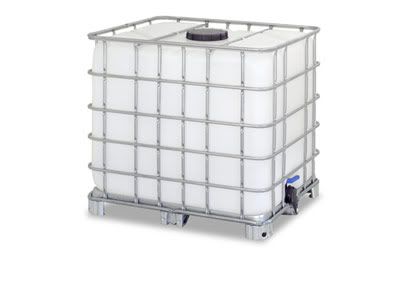
Well, if it doesn't rain and snow all weekend, it will be time to continue one of our aforementioned projects. Currently we can only store 50 gallons of water, which is a 10 day supply for our family. As we do not live within walking distance of any open body of water and are currently reliant on municipal water, it was decided that our best option is rainwater capture. So this weekend, weather permitting, we will be burying 2 250 gallon containers and using them for rainwater collection. Their primary use will be to water the garden, but should the city water not be available, we can also filter it for our use. We will also have to build a filtration system going into the tanks, and a variant on the roof cleaner so we can prevent the majority of crud from our normally dry roof from getting into the tanks. With their position buried underground, they would be a pain to clean. I'm undecided at this point on whether to use a solar pond pump or a hand pump to retrieve the water, but as the project progresses, we'll make a final decision on that.
Thursday, March 3, 2011
Food Storage Deal of the Month
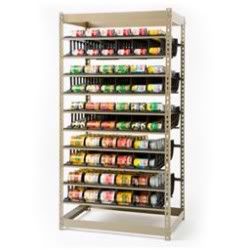
Update (3/8/11): Got the can rack from Ridley's, it is a smaller 42" tall model. I have a similar one already from Shelf Reliance, price there is $181.00. Although the ad says 340 cans and shows the rack pictured here, in actuality, it's about 200 cans (205 for the Shelf Reliance model) and not nearly the deal. I spoke with the store manager, they refunded my money and I hope to get things cleared up with their home office this afternoon.
Ridley's Foods (http://www.shopridleys.com/) has a FIFO Can Storage Rack for sale this week and next as part of their Case Lots Sale. For those of you who do not shop the Case Lots Sale, you're missing some of the best deals of the year for your stock up pantry. I strongly encourage you to check this sale out, it happens twice a year, once in March and once in October. However, the can rack is new to their list, and is special order only. According to the store, it is 6'hx3'w,2'd and stores 340 vegetable sized cans or 510 condensed soup sized cans. Normally it sells for $399, on sale for $178.88. Yes, we ordered one to supplement our Shelf Reliance 39" Pantry, the Pantry will be relegated to #10 can storage while our rotation of vegetables will be moved to the FIFO. This is a great deal if you do not currently have a solid can rotation system in place.
Tuesday, March 1, 2011
Emergency Water Storage
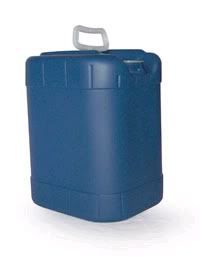
The Department of Homeland Security requests that everyone keeps a 3 day supply of drinking water. As someone who took the Boy Scout motto way too seriously, 3 days is not nearly enough. Water is one of those few pesky things we cannot do without, so the more you can store, the greater your chances of surviving long blackouts or a loss of municipal services.
Our current method of water storage for drinking is 5 gallon containers that we can move about easily. With each container weighing 40 lbs, it's in our best interest to not make them too heavy so most of the family is capable of moving them around. We currently purchase our containers from http://www.containerandpackaging.com/ and have had no complaints in the last 3 years of using them.
Each year, we drag them out of storage, dump them, clean them, refill them, and put them back in storage. The water after a year is still clean, and washing them with bleach helps to inhibit the growth of bacteria. With 10 of the containers, we are only storing a 10-11 day supply for the family, so future projects will involve expansion of our water storage capabilities.
The Big Berkey - The Review
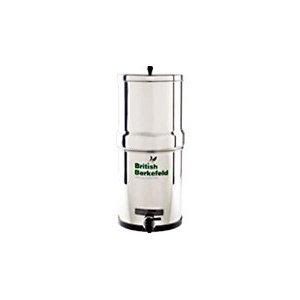
On Monday, after running a few short errands in town, we came home to find a box in our courtyard. Thinking it was maybe some kitchen gadgets that we had previously ordered, we were ecstatic to find it was our brand new Berkey! It took less than a week to get to our door, and we didn't pay for expedited shipping.
Assembly of the Berkey was similar to building a nuclear weapon. Cleanliness and attention to detail are paramount, and with the stainless steel and black plastic bits lying around my countertop, it felt like an infinitely more nefarious project. The included directions were easy to follow, and after priming our filters, the Berkey was up and running. It wasn't as big as I thought it would be, more like an older coffee urn. If it wasn't for the knob on top, it would almost fit in the space between the countertop and upper cabinets.
I added 20 cups of water to start, and after letting the lower reservior fill a bit, lifted the lever to pour a glass of water. Nothing. Nada. So I ended up taking the spigot apart and now it seems to work, albeit dripping slowly. The warrantly on the Berkey is good, so I'll be contacting the retailer about getting a replacement spigot and washers. The water quality from municipal water, however, is excellent. As previously mentioned, we have a filter in our refridgerator, and the taste of the Berkey water is much cleaner with no metallic taste. I put in cool but not cold water, and the metal has done a good job keeping the water cool even in the 70 degree house. Besides the spigot issue, the Berkey is solid, and I don't forsee it being a weak point in the family emergency water supply.
Friday, February 25, 2011
Big steps in moving off the grid
Well, this has been a landmark week for my family. We've taken plans that we've talked about for ages and finally just DID them. It's amazing how much relief and security you feel when you stop debating and just take action.
To start the week, we ordered our Big Berkey water filter. We normally use the filter built in to our refridgerator, but that requires an electric pump and needs replaced every 6 months or so. The Berkey can process quite a bit of water, about 7 gallons per hour, and uses gravity to do it's job.

Sadly, that wasn't the most expensive purchase this week. For the last few years, we have been using the Whisper Mill, a great little electric grain mill that has been easy to maintain. It has done a great job turning our hard red wheat into bread ready wheat flour, and even managed to process amaranth flour.
To start the week, we ordered our Big Berkey water filter. We normally use the filter built in to our refridgerator, but that requires an electric pump and needs replaced every 6 months or so. The Berkey can process quite a bit of water, about 7 gallons per hour, and uses gravity to do it's job.
We chose the Big Berkey (http://www.britishberkefeld.com/) specifically for it's reliability, it's stainless steel construction, the availability of parts, and because we couldn't imagine a scenario where we were consistantly providing drinking water for more than 16 people.
The Berkeys use either 2 or 4 Black Berkey filters that are capable of processing 3,000 gallons of mud, or 19,000 gallons of tap water. Since we will be using it to filter tap water (and possibly captured rainwater should the need arise) the 2 filter model was perfect for our needs. The British Berkfields have been around since 1922, so the design is well proven. They also offer the PF-4 filters, which will filter out arsenic and fluoride from water as well.
Sadly, that wasn't the most expensive purchase this week. For the last few years, we have been using the Whisper Mill, a great little electric grain mill that has been easy to maintain. It has done a great job turning our hard red wheat into bread ready wheat flour, and even managed to process amaranth flour.

The Whisper Mill is no longer produced, but has been replaced by the nearly identical Wonder Mill. From what little I've read, there's not a lot of difference between the two, and in the pictures they look nearly identical. As far as electric mills go, the Whisper Mill has a great reputation and for us has proven reliable, even when we enthusiastically had it grind an entire 25 lb bag of wheat into bread flour. It has always worked without complain, and offered only minor criticism when we asked it to process amaranth.
However, as great as the Whisper Mill is, our long term goal is to use a hand-powered grain mill, and started the search for our next mill several months ago. Owning a Diamant was a bit out of our price range, so we looked heavily at the Country Living Grain Mill. The Country Living mill has a good reputation, a significant following, and best of all, a large support network. However, it does have a few downsides. It's aluminum construction, while tough, isn't exactly bulletproof. Parts and accessories are available, but at a premium compared to similar products. And then, while thumbing through Mother Earth News, the answer appeared. There was a full page ad featuring a shiny red mill that looked incredibly sturdy. The Grainmaker (http://www.grainmaker.com/) is also made in Montana, so my dollars are staying somewhat local. It's starting price was higher than the Country Living Mill ($425 vs. $395) but it came with the extension bar and the auger, which wou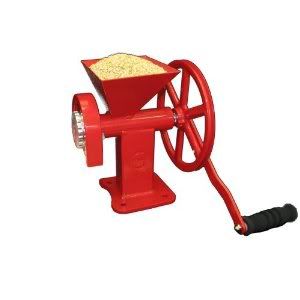
Thursday, February 24, 2011
The 2011 Garden - Baby steps into Permaculture
As I mentioned in my last post, there has been a significant expansion in our gardening plans for 2011. In 2010, I tore up about 500 sq ft of lawn to convert to garden, this year will see somewhere around 1200 sq ft converted to dedicated garden, and another 1000 sq ft or so converted to a permaculture type garden.
One of our biggest changes from 2009 to 2010 was the addition of raised beds. These went a long ways to reducing the amount of weeding done each week, and for the crops that survived the frost, made a nice home for them. Our total cost for 8 raised beds (2'x4') was absolutely nothing. Many fencing supply companies sell vinyl fencing. The vinyl fencing is sold to them with a 2'x4' pine brace around it. They just slide the braces off and throw them away. Going to a local lumberyard to pick up lumber for the beds, they mentioned that we could have the large stack of braces for free, as well as some trim pieces of cedar and fir left over from fencing projects. It took a few trips with our van, but we manged to get them home and filled with soil. This year, we are adding another 20 beds of the same size, with leftover braces we can build cold frames for the young plants so we do not have a replay of last year.
The selection in the garden is growing as well. Last year, we grew Italian zucchini (Costata Romanesco), some summer squash, and carrots (Tendercrisps) successfully. Just about everything else was killed by the frost. In addition to the Costata Romanesco, we are growing 4 tomato varieties (2 cherry, 1 paste, and 1 beefsteak variety), 3 types of carrots, 4 types of lettuce, celery, amaranth, 4 new squashes, 4 types of melons, 2 types of beans, 2 types of peas, and broccoli. We are also adding blueberry bushes, elderberry bushes, an additional grape vine, and a few new fruit trees. Our experiment with corn last year taught us that if you have a small place to plant, corn is not going to work in your favor. In a different climate, maybe, but our little homestead just didn't agree with our sweet corn crop and we ended up with tiny ears.
For our locale, we will not plant outside until nearly Memorial Day, but once the beds are prepped, I'll have to post some pictures. After all the work going into it, there has to be at least some record of accomplishment.
One of our biggest changes from 2009 to 2010 was the addition of raised beds. These went a long ways to reducing the amount of weeding done each week, and for the crops that survived the frost, made a nice home for them. Our total cost for 8 raised beds (2'x4') was absolutely nothing. Many fencing supply companies sell vinyl fencing. The vinyl fencing is sold to them with a 2'x4' pine brace around it. They just slide the braces off and throw them away. Going to a local lumberyard to pick up lumber for the beds, they mentioned that we could have the large stack of braces for free, as well as some trim pieces of cedar and fir left over from fencing projects. It took a few trips with our van, but we manged to get them home and filled with soil. This year, we are adding another 20 beds of the same size, with leftover braces we can build cold frames for the young plants so we do not have a replay of last year.
The selection in the garden is growing as well. Last year, we grew Italian zucchini (Costata Romanesco), some summer squash, and carrots (Tendercrisps) successfully. Just about everything else was killed by the frost. In addition to the Costata Romanesco, we are growing 4 tomato varieties (2 cherry, 1 paste, and 1 beefsteak variety), 3 types of carrots, 4 types of lettuce, celery, amaranth, 4 new squashes, 4 types of melons, 2 types of beans, 2 types of peas, and broccoli. We are also adding blueberry bushes, elderberry bushes, an additional grape vine, and a few new fruit trees. Our experiment with corn last year taught us that if you have a small place to plant, corn is not going to work in your favor. In a different climate, maybe, but our little homestead just didn't agree with our sweet corn crop and we ended up with tiny ears.
For our locale, we will not plant outside until nearly Memorial Day, but once the beds are prepped, I'll have to post some pictures. After all the work going into it, there has to be at least some record of accomplishment.
After a long hiatus...
Wow, I actually forgot that I had this site to maintain. Granted, nobody has ever read it, but all good things have to start somewhere.
Since the last post, there have been some changes, both good and bad, to my long term goals. My garden was tripled in size in 2009 from it's 2008 size. In 2010, it grew again. In 2011, it will be more than double the size of the 2009 garden plot. We have moved from in ground planting to raised beds, which would have done wonders for us if a late frost hadn't killed off most of the 2010 crop. I'll add a new post that covers the detail of the bigger garden plot, the new plant additions, and our lessons learned over the last 2 years.
In other news, we have done our best to reduce our footprint; not just carbon, but also in our impact on the environment immediately around us. We are working towards independence from the energy grid, while still being grid tied, and have made some progress, especially in how we prepare our meals. 2011 is going to see a lot of projects come to fruition, some big, some small. I'll do my best to actually keep track of each project and post what we tried, what we learned, and what we'd do better next time.
Since the last post, there have been some changes, both good and bad, to my long term goals. My garden was tripled in size in 2009 from it's 2008 size. In 2010, it grew again. In 2011, it will be more than double the size of the 2009 garden plot. We have moved from in ground planting to raised beds, which would have done wonders for us if a late frost hadn't killed off most of the 2010 crop. I'll add a new post that covers the detail of the bigger garden plot, the new plant additions, and our lessons learned over the last 2 years.
In other news, we have done our best to reduce our footprint; not just carbon, but also in our impact on the environment immediately around us. We are working towards independence from the energy grid, while still being grid tied, and have made some progress, especially in how we prepare our meals. 2011 is going to see a lot of projects come to fruition, some big, some small. I'll do my best to actually keep track of each project and post what we tried, what we learned, and what we'd do better next time.
Tuesday, March 24, 2009
Spent this last weekend tripling the size of my existing garden. Still not to the size it needs to be, but everything is done in baby steps. The seeds have sprouted, the ground is nearly prepped, just waiting on the weather.
This year we are seeing a lot of new heirloom crops. Roman broccolli, Italian zucchini, black tomatoes, and several varieties of melons and squash. One crop I'm curious to try in our relatively dry soil is Kiwano, a melon native to Africa that should grow decently in this zone.
I'll get pics up in the next day or so, once the weather clears up.
This year we are seeing a lot of new heirloom crops. Roman broccolli, Italian zucchini, black tomatoes, and several varieties of melons and squash. One crop I'm curious to try in our relatively dry soil is Kiwano, a melon native to Africa that should grow decently in this zone.
I'll get pics up in the next day or so, once the weather clears up.
Friday, March 20, 2009
Deciding to Live the Lifestyle
One of the first steps anyone who wants to survive needs to learn is that you can't live the same way you did beforehand. Your reliance on processed foods never seems to be so apparent as when you try and live without them. The single hardest thing for me to give up was the Jack in the Box 2/99 cent tacos.
Depending on the space available, you may not have to alter too much in your eating habits. Since our experiment is only on 0.12 acres, we needed to modify our diet quite a bit to make this work. Thankfully we've gotten into the habit of eating more vegetables and trying to do without a lot of the "luxury" foods. I don't think we've eaten peanut butter in 6 months, which is a pretty amazing feat with 3 young kids. We've gone without buying bread in several months, making a loaf at home should we find ourselves wanting bread. We still need to cut back on our cheese consumption, as our little plot of land does not give us room or zoning for dairy animals. That proves to be a bit tougher than the peanut butter.
By all means, you do not need to become a vegetarian, or start shopping at the organic sections of the grocery store. You just need to re-evaluate what you are willing to do to survive and thrive off the commercial food grid. It's a slow process at this time in history, so take your time, weed out some of the junk and learn to eat a few new things. Buying a vegetarian cookbook is a good way to introduce new homegrowable produce to your family. Try something different from the local farmer's market or butcher shop. Find out what you can eat when the normal foods in your life may not be available, and introduce it slowly into your lifestyle. This way when you are pushed into that more basic lifestyle, you will not experience the shock of a hoarder. Practice makes permanent, so develop your good habits now.
Depending on the space available, you may not have to alter too much in your eating habits. Since our experiment is only on 0.12 acres, we needed to modify our diet quite a bit to make this work. Thankfully we've gotten into the habit of eating more vegetables and trying to do without a lot of the "luxury" foods. I don't think we've eaten peanut butter in 6 months, which is a pretty amazing feat with 3 young kids. We've gone without buying bread in several months, making a loaf at home should we find ourselves wanting bread. We still need to cut back on our cheese consumption, as our little plot of land does not give us room or zoning for dairy animals. That proves to be a bit tougher than the peanut butter.
By all means, you do not need to become a vegetarian, or start shopping at the organic sections of the grocery store. You just need to re-evaluate what you are willing to do to survive and thrive off the commercial food grid. It's a slow process at this time in history, so take your time, weed out some of the junk and learn to eat a few new things. Buying a vegetarian cookbook is a good way to introduce new homegrowable produce to your family. Try something different from the local farmer's market or butcher shop. Find out what you can eat when the normal foods in your life may not be available, and introduce it slowly into your lifestyle. This way when you are pushed into that more basic lifestyle, you will not experience the shock of a hoarder. Practice makes permanent, so develop your good habits now.
Thursday, March 19, 2009
Beyond the Survivalist
Ever since the Y2K scare, there's been a growing faction in our country. The Survivalist grew out of a view of sudden economic collapse, and started to develop a lifestyle that didn't rely so strongly on the economy. Unfortunately, the movement has gone from self reliance to hoarding food and water with no long term plans.
The portion of survivalists that will actually make it when things get tough aren't the ones with the most food storage or ammo, but the ones that can renew their food supplies and maintain a healthy balance of storage and new sources. Don't get me wrong, having food and water stored is vital for those first few weeks or months, but without a long term plan in action, a hoarder will die shortly after the larder is empty.
We want to encourage you to remove yourself as much as possible from the food supply chain, to become recession/depression/end of the world as we know it proof. There's too many people that have no long term plans for their family's well being, and too many people that rely on a shaky dollar.
This is something that you can do for yourself. All of our experiments and experiences will take place on a 0.18 acre lot with about 0.12 acres in usable space. Others have done this successfully, so will we, but we'd like to save you any trial and error process that we will experience as we go down this route.
The portion of survivalists that will actually make it when things get tough aren't the ones with the most food storage or ammo, but the ones that can renew their food supplies and maintain a healthy balance of storage and new sources. Don't get me wrong, having food and water stored is vital for those first few weeks or months, but without a long term plan in action, a hoarder will die shortly after the larder is empty.
We want to encourage you to remove yourself as much as possible from the food supply chain, to become recession/depression/end of the world as we know it proof. There's too many people that have no long term plans for their family's well being, and too many people that rely on a shaky dollar.
This is something that you can do for yourself. All of our experiments and experiences will take place on a 0.18 acre lot with about 0.12 acres in usable space. Others have done this successfully, so will we, but we'd like to save you any trial and error process that we will experience as we go down this route.
Subscribe to:
Posts (Atom)